

As temperatures rise, comfort at home starts to shift. What once felt warm and inviting can begin to feel a little too heavy, even if nothing has physically changed. The difference often comes down to how a space holds light, how materials respond to the season, and how the room allows itself to breathe.
Creating a cooler-feeling home is less about lowering the temperature and more about adjusting how the space is experienced.
Let Light Move Through The Room
Natural light has a way of changing how a space feels, but it is not just about letting more of it in. It is about how it moves.
Heavier window treatments can block and absorb light, making a room feel more enclosed. Switching to lighter, more breathable fabrics allows sunlight to filter through softly, creating a brighter and more open environment throughout the day.
When light moves freely, the entire room feels easier.
Soften The Weight Of Materials
Some materials naturally carry more visual and physical weight than others.
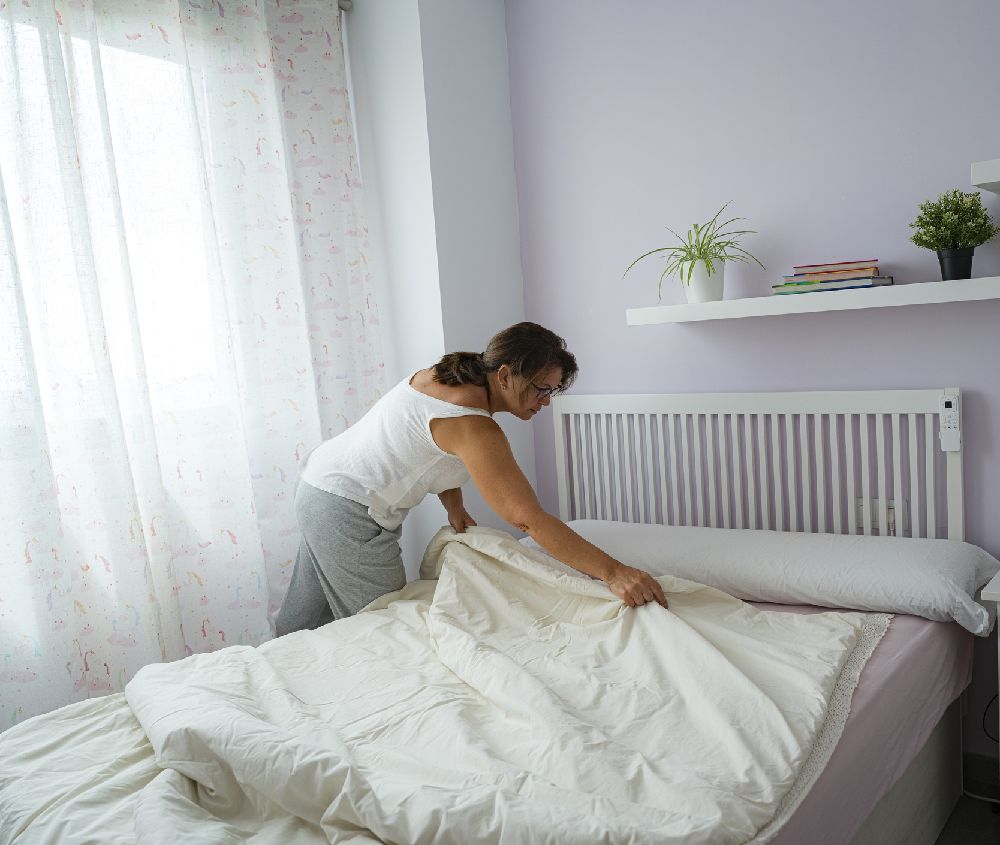
As the season changes, heavier textures can begin to feel dense. Lighter fabrics like cotton and linen help soften that feeling, making seating and bedding feel more breathable. Smoother finishes and lighter wood tones can also help shift the overall tone of the space without requiring a full redesign.
It is a subtle change, but one that makes a noticeable difference.
Simplify The Layers
Layering still matters; it just needs to feel lighter.
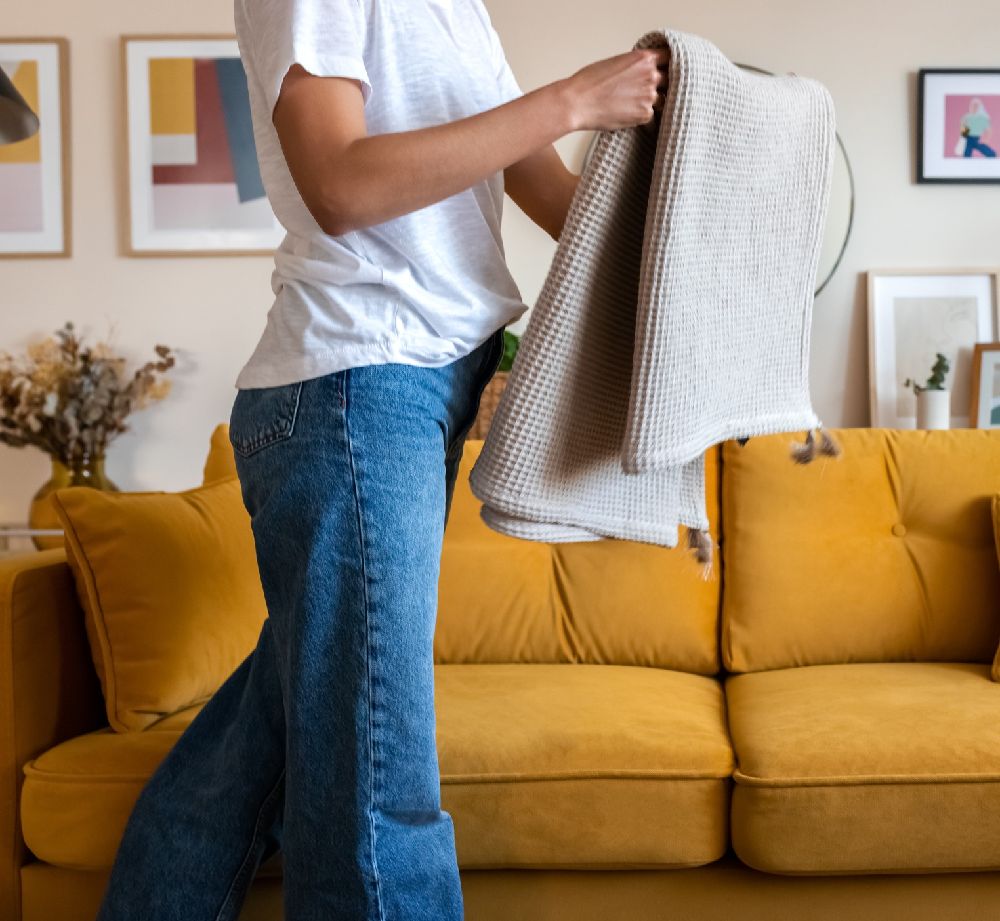
Instead of stacking textures, focus on a few that feel intentional. A single throw that is easy to move, pillows that add comfort without bulk, and a rug that grounds the space without adding weight.
When layers feel lighter, the entire room feels easier to live in.
Open The Layout
Airflow is something you feel before you notice it.
Even small adjustments to how furniture is arranged can make a space feel less confined. Creating a bit more space between pieces, keeping pathways clear, and avoiding overcrowded areas allows air to move more naturally.
Visually, this also makes the room feel lighter and less contained.
Adjust The Color Balance
Color plays a quiet role in how warm or cool a room feels.
Deeper tones tend to absorb light, while lighter, softer tones reflect it. Bringing in neutral shades, soft greens, or muted blues can create a sense of calm that naturally feels cooler. Even small updates through pillows, rugs, or bedding can help shift the balance.
It is not about removing warmth completely, but about creating a better balance.
Edit What Feels Excessive
As the season changes, not everything needs to stay in place.
Extra layers, heavier décor, and pieces that add visual clutter can make a room feel warmer than it needs to. Pulling back slightly allows the space to reset and feel more intentional.
This is where a home starts to feel lighter without losing its character.
A cooler home is not defined by temperature alone. It is shaped by light, materials, and how a space is allowed to function throughout the day.
When layers feel lighter, layouts feel more open, and materials respond to the season, comfort follows naturally without needing to adjust anything at all.
At American Home Furniture and Mattress, creating spaces that feel right year-round means designing with comfort in mind from the start.
World Class, Local Style. Designed To Feel Cooler.